
The Rising Global Demand for Coconut Water with Nata de Coco and Its Business Implications
The Evolving Landscape of the Global Beverage Market
The global beverage industry is witnessing a significant shift towards products that offer unique sensory experiences and align with contemporary consumption trends. Among these, coconut water has solidified its position as a mainstream category, valued for its refreshing profile. A notable evolution within this segment is the introduction of textural elements, such as nata de coco, which transforms the drink from a simple beverage into a more engaging consumption experience. This trend reflects a broader movement where consumers seek not just hydration but also novelty and mouthfeel in their drink choices.
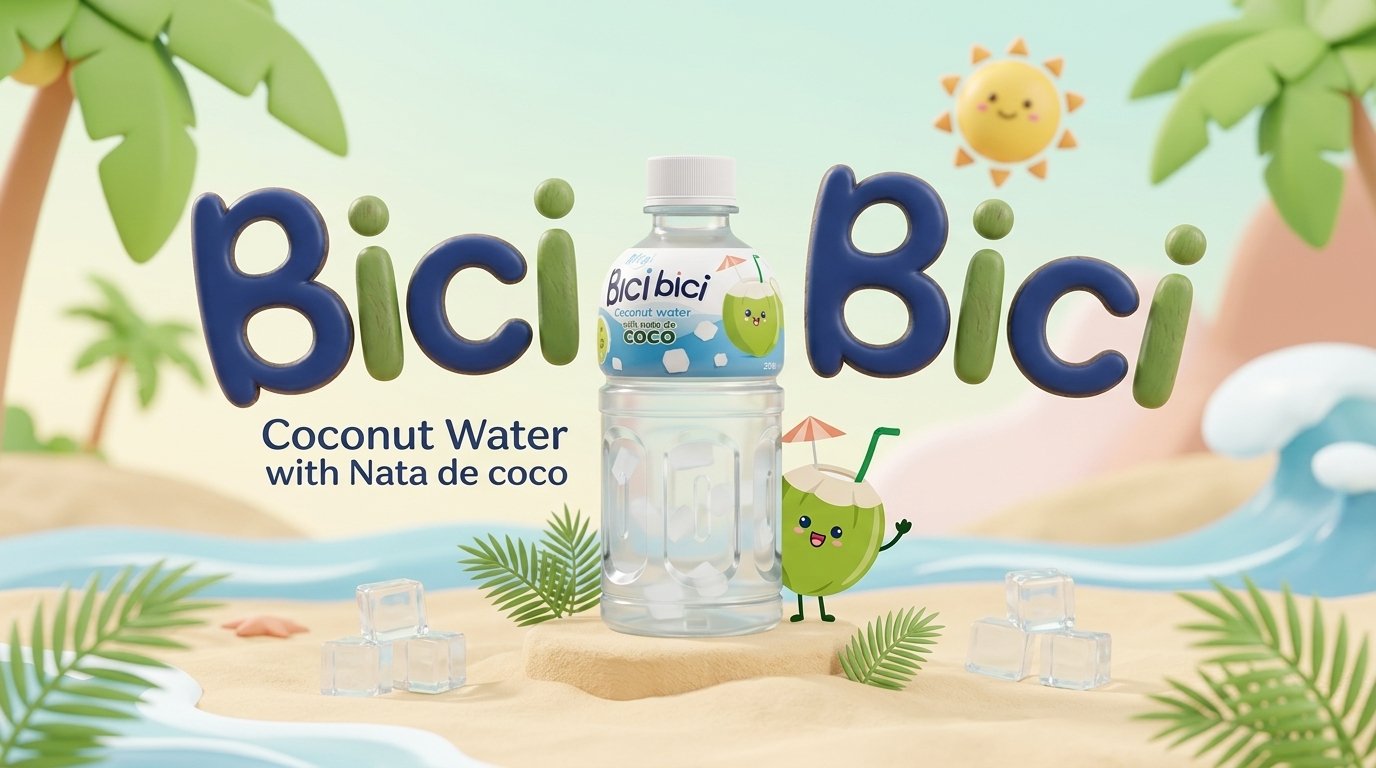
Products like coconut water with nata de coco exemplify this innovation, merging a clear, mildly sweet base with chewy, gelatinous pieces. This combination caters to markets in Asia, where textured drinks have long been popular, and is gaining traction in Western markets looking for new and exotic offerings. For importers and distributors, this represents an opportunity to diversify portfolios with a product that stands out on shelves and in foodservice settings.
Key Takeaways
- The integration of textural elements like nata de coco is a key innovation driver in the ready-to-drink coconut water segment, creating new market opportunities.
- Flexible OEM/ODM manufacturing solutions are critical for brands to rapidly adapt to regional taste preferences and packaging requirements for textured beverages.
- A product's logistical specifications, such as an 18-month shelf life and scalable production capacity, are decisive factors for global distributors and wholesalers.
- The 320ml single-serve format is strategically important for on-the-go consumption and HORECA channel placement, influencing purchasing decisions.
- Vietnam has emerged as a leading global hub for premium coconut beverage manufacturing, offering competitive advantages in sourcing and production.
Market Trends Driving the Textured Beverage Segment
Consumer interest in experiential eating and drinking is at an all-time high. The success of products containing bubbles, pearls, or jellies in the tea and coffee categories has paved the way for similar innovations in other beverage verticals. Coconut water, with its naturally healthy perception, provides an ideal base for such experimentation. Adding nata de coco, a natural fiber made from fermented coconut water, introduces a fun, chewy component without altering the drink's fundamental character.
This trend is particularly strong in the retail and foodservice sectors. For cafes and restaurants, offering a coconut-based beverage with texture can enhance menu appeal and allow for premium pricing. For retailers, it creates a point of differentiation in a crowded cold case. The product's appeal spans multiple demographics, attracting younger consumers seeking novelty and older demographics familiar with nata de coco as a traditional dessert ingredient.
Supply Chain and Manufacturing Considerations for Distributors
For businesses looking to source or private label such products, understanding the supply chain is paramount. Key specifications directly impact business viability. A shelf life of 18 months, as offered with many commercial products, provides ample time for international shipping, warehousing, and retail distribution, reducing the risk of spoilage and waste. This is a critical factor for importers managing long logistics channels.
Furthermore, flexible Minimum Order Quantity (MOQ) policies are essential for brands testing new markets or for smaller distributors aiming to minimize inventory risk. Manufacturers that offer scalable production, capable of delivering hundreds of containers per month, provide the security needed for large-scale rollouts and promotional campaigns. Payment terms like L/C and T/T offer financial flexibility, which is a crucial aspect of B2B negotiations in the global food and beverage trade.
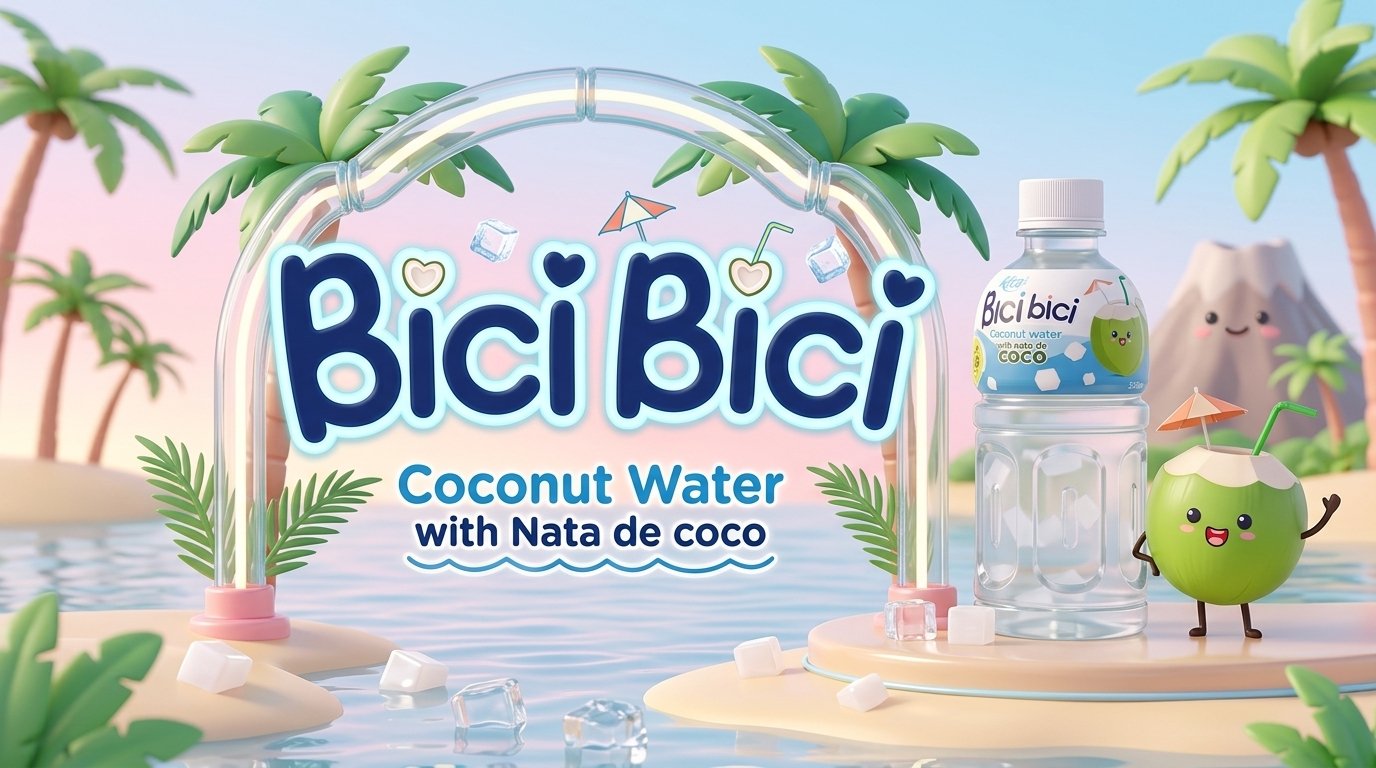
The Strategic Advantage of OEM and ODM Services in Beverage Innovation
The ability to customize is a powerful tool for brands. OEM beverage manufacturing allows retailers, distributors, and entrepreneurs to bring their unique brand vision to life without the capital expenditure of building a factory. For a product like coconut water with nata de coco, customization can occur at multiple levels: sweetness intensity, size and quantity of nata de coco pieces, and even the incorporation of additional flavors.
ODM services take this further, where the manufacturer partners on the entire development process, from concept to final packaging. This is invaluable for companies seeking to enter the textured functional beverage market but lacking in-house R&D expertise. A partner with a strong portfolio, like a manufacturer offering a wide range of fruit juice and specialty drinks, can provide insights into successful formulations and market trends, de-risking the product development phase.
Packaging Formats and Their Impact on Market Penetration
The choice of packaging is a strategic business decision influencing cost, logistics, and consumer perception. A 320ml format, often found in aluminum cans or PET bottles, serves specific channels effectively. It is an ideal single-serve size for convenience stores, vending machines, and grab-and-go sections. The portability and durability of cans make them especially suitable for outdoor events, travel, and casual dining.
For manufacturers, offering a variety of packaging options—such as cans, PET, or glass bottles—enables them to cater to diverse market demands. Each packaging type carries different connotations: cans are modern and recyclable, PET is lightweight and shatterproof, and glass conveys premium quality. The decision often hinges on the target retail price point, sustainability goals of the brand, and the logistical requirements of the destination market.
Export Dynamics: Vietnam as a Sourcing Hub for Coconut Beverages
Vietnam has established itself as a premier sourcing destination for coconut-based products, driven by abundant raw material supply, advanced processing technology, and favorable trade agreements. Sourcing from a country with a strong agricultural base in coconuts ensures consistent quality and potentially lower costs due to reduced transportation of raw materials. Major ports like Ho Chi Minh facilitate efficient export to global markets.
For international buyers, partnering with a Vietnamese manufacturer offers several advantages. The production lead time of 20-25 days after order confirmation indicates a streamlined and responsive operation. A high monthly supply ability demonstrates robust capacity and reliability, which is crucial for maintaining uninterrupted supply to retail chains. Furthermore, manufacturers with extensive export experience are adept at handling international documentation, customs clearance, and compliance with various regional food safety standards, which can be a significant hurdle for new importers.
Positioning for Success in Retail and HORECA Channels
Successfully launching a product like coconut water with nata de coco requires a clear channel strategy. In retail, positioning is key. It can be placed alongside traditional coconut waters, in the natural/organic section, or even in the international foods aisle, depending on the brand story and target consumer. Eye-catching packaging that showcases the textural element inside can drive impulse purchases.
In the Hotel, Restaurant, and Cafe (HORECA) channel, the product's versatility shines. It can be served chilled as a standalone drink, used as a base for non-alcoholic cocktails or smoothies, or even incorporated into dessert presentations. For businesses in the global beverage distribution network, providing serving suggestions and recipe ideas to HORECA clients can add significant value and drive volume sales. The product's unique characteristic makes it a memorable menu item that can enhance a venue's beverage offering.
Future Outlook and Opportunities for Market Players
The trajectory for textured beverages appears strong. As consumers continue to seek multisensory food and drink experiences, innovation in this space will likely accelerate. Future iterations may see combinations with other natural fibers, varying textures, or blends with other tropical fruit juices. For investors and business owners, staying ahead of these trends requires a partnership with a nimble and innovative manufacturer.
The role of a manufacturing partner extends beyond production. It encompasses market intelligence, regulatory guidance, and logistical support. Companies that offer comprehensive ODM beverage solutions become strategic allies, enabling their clients to compete effectively in a dynamic global marketplace. The focus for the next phase will be on sustainable packaging, clean-label formulations, and creating products that resonate with local tastes while maintaining global appeal.
Frequently Asked Questions
What is the typical shelf life for a canned coconut water product with nata de coco?
Commercial products like these are typically processed using advanced aseptic filling techniques, which can achieve a shelf life of 18 months or more without refrigeration. This extended shelf life is essential for international export, warehousing, and ensuring product quality reaches the end consumer.
How does the MOQ work for private label beverage orders?
Many manufacturers offer flexible MOQ policies to accommodate businesses of different scales. For new brands, starting with a pilot order of a few pallets is often possible. As the brand grows, production can be scaled up seamlessly to container-load quantities, supported by the manufacturer's large-scale production capacity.
What are the main advantages of sourcing beverages from a manufacturer in Vietnam?
Vietnam offers a strong combination of factors: direct access to high-quality tropical raw materials like coconuts, competitive production costs, modern manufacturing facilities with international certifications, and extensive experience in exporting to over 200 countries. This makes it a reliable and efficient sourcing hub for global distributors.
Can the flavor or texture of a product like this be customized for a specific market?
Yes, through ODM services, nearly every aspect can be tailored. This includes the sweetness level, the size and firmness of the nata de coco pieces, and the potential addition of other complementary natural flavors to suit regional taste preferences, such as a hint of pandan or lychee.
What packaging options are most suitable for international shipping of ready-to-drink beverages?
Aluminum cans and PET bottles are highly favored for export due to their durability, lightweight nature (reducing shipping costs), and stackability. Both formats also offer excellent barriers to light and oxygen, which are crucial for preserving the flavor and quality of the beverage during transit and storage.
Newer news items:
- The Rise of Textured Beverages and Nata de Coco Drives Global F&B Innovation - 23/04/2026 08:26
- The Rising Demand for Textured Coconut Water Beverages in Global Markets - 23/04/2026 07:40
- The Strategic Rise of Bulk Natural Coconut Water in Global Foodservice and Retail - 23/04/2026 07:33
- The Rising Global Demand for Sparkling Fruit Beverages in Sleek Can Packaging - 23/04/2026 07:26
- The Rising Global Demand for Sparkling Pineapple Beverages in Sleek Can Packaging - 23/04/2026 07:19
Older news items:
- The Strategic Rise of Bulk Natural Coconut Water in the Global Beverage Market - 23/04/2026 06:43
- The Strategic Rise of Private Label Coconut Water in the Global Beverage Market - 23/04/2026 06:36
- The Rise of Sparkling Grape Juice in Sleek Cans and the Global Beverage Market Opportunity - 23/04/2026 06:29
- The Rising Demand for Premium Sparkling Lychee Beverages in Global Markets - 23/04/2026 06:23
- The Rise of Nut-Infused Tropical Refreshments: Unveiling the Premium Coco Pista Experience - 13/03/2026 09:11