
The Strategic Rise of Bulk Natural Coconut Water in the Global Beverage Market
Key Takeaways
- The market for bulk natural coconut water is expanding, driven by demand from foodservice, hospitality, and private label sectors.
- Packaging innovation, such as square-shaped 2L PP bottles, offers significant advantages in logistics, storage efficiency, and brand presentation.
- Flexible OEM and ODM manufacturing models are crucial for brands to enter this market quickly and cost-effectively.
- A long shelf life of 18 months and stable supply chains are non-negotiable for successful global beverage export operations.
- Strategic sourcing from established manufacturers in regions like Vietnam provides competitive pricing and reliable large-scale production.
Market Dynamics and the Bulk Beverage Opportunity
The beverage industry's growth is increasingly fueled by bulk and institutional sales. Hotels, restaurants, cafes, gyms, and corporate catering services seek consistent, high-quality ingredients in formats that minimize operational hassle. Natural coconut water fits perfectly into this demand, serving as a base for smoothies, cocktails, or a standalone refreshment. The shift towards larger pack sizes, such as 1L and 2L bottles, reflects a strategic move to reduce packaging waste, lower per-unit costs, and streamline inventory management for business clients.
This trend aligns with the broader growth of the global coconut product market, where innovation in packaging and supply chain agility are becoming key differentiators. For importers and distributors, the focus has moved beyond mere product availability to securing partners who can guarantee volume, consistency, and adaptability to specific market needs.
Packaging as a Strategic Business Tool
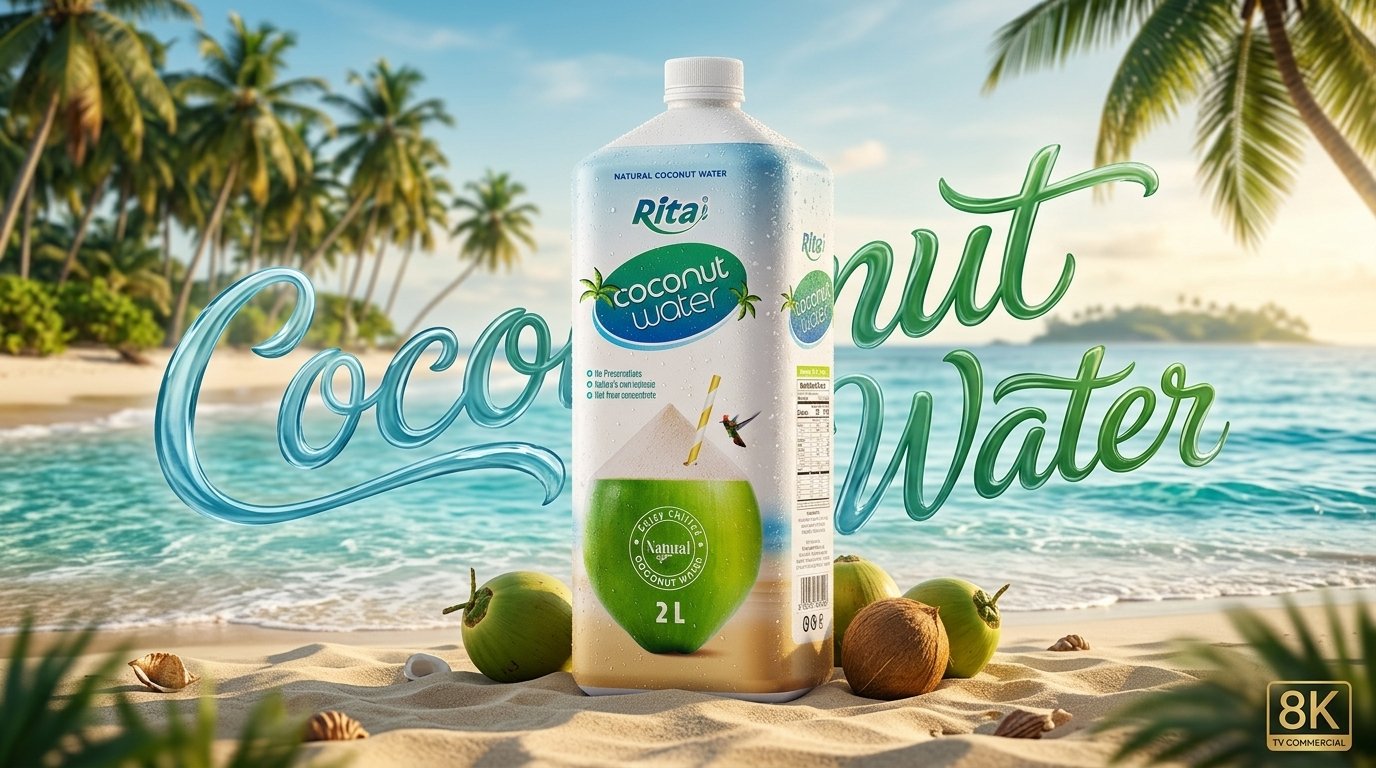
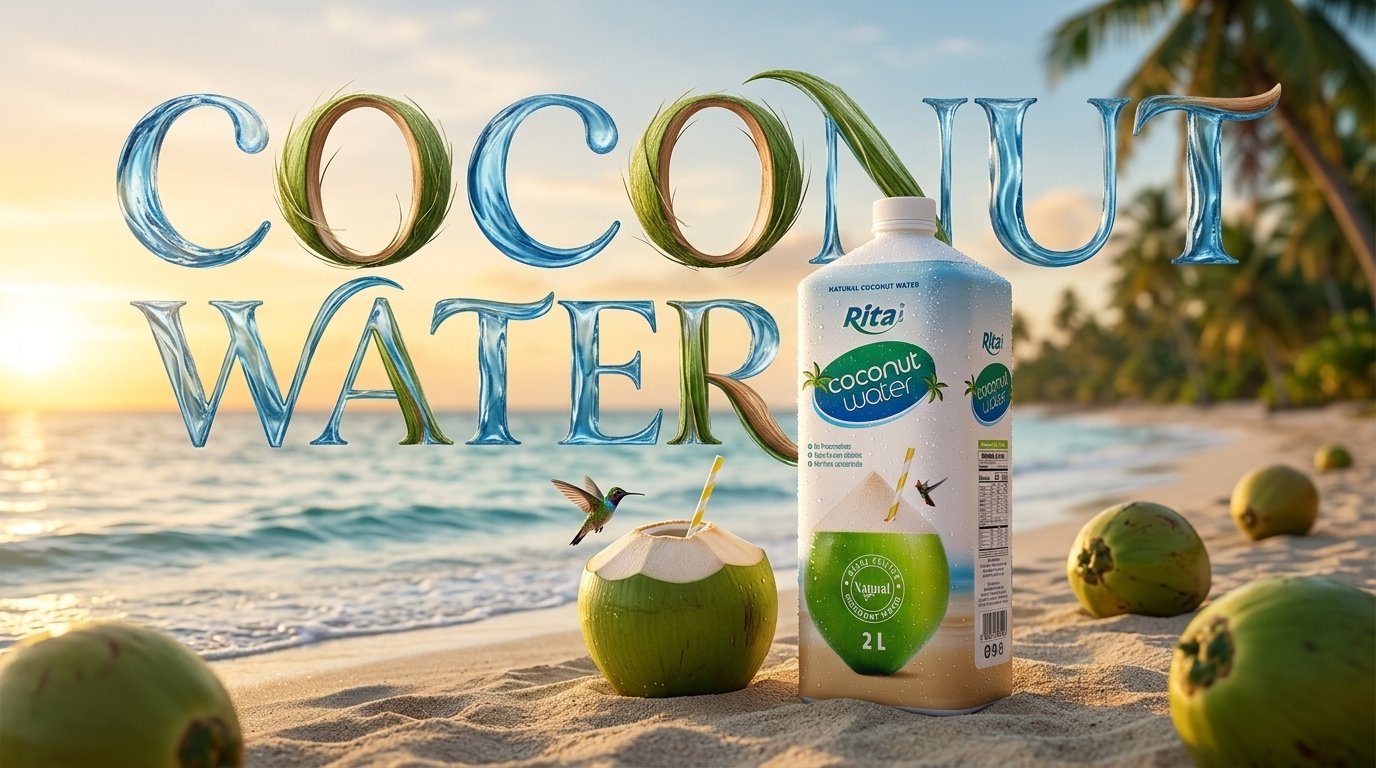
In bulk beverage sourcing, packaging is rarely just a container; it's a critical component of the business model. The square-shaped 2L PP bottle exemplifies this strategic thinking. Its design maximizes pallet and container space, significantly reducing shipping costs—a primary concern for any business involved in global beverage export and distribution. The square footprint also offers superior stability on shelves and in storage areas, reducing the risk of damage and optimizing warehouse space.
Polypropylene (PP) as a material offers clarity, durability, and excellent barrier properties, which are essential for maintaining the product's quality over an extended shelf life of 18 months. For businesses, this translates into reduced risk of spoilage, greater flexibility in inventory planning, and the ability to reach more distant markets without compromising the product. The practical benefits of such packaging directly impact the bottom line, making it a compelling choice for private label beverage solutions targeting the foodservice industry.
Logistics and Supply Chain Considerations
- Space Efficiency: Square bottles can increase load efficiency by up to 15-20% compared to round ones, directly lowering freight costs.
- Supply Stability: Manufacturers with a high monthly capacity, such as 600 twenty-foot containers, provide the security needed for large retail or distribution contracts.
- Port Accessibility: Sourcing from regions with major ports like Ho Chi Minh ensures smoother logistics and faster turnaround times.
The OEM/ODM Advantage in Beverage Sourcing
For brands, retailers, and distributors, developing a beverage line from scratch involves substantial investment in R&D, production setup, and quality assurance. This is where the OEM beverage manufacturing model becomes a powerful market entry strategy. Partnering with an experienced manufacturer allows a brand to leverage existing expertise, formulations, and compliant production facilities.
The ability to offer a flexible minimum order quantity (MOQ) is particularly attractive for new entrants or brands testing a new market segment. It lowers the barrier to entry and mitigates financial risk. Furthermore, comprehensive ODM beverage development services enable partners to create a unique product—adjusting flavor profiles, sweetness levels, or even developing complementary blends—without bearing the full cost of infrastructure. This collaborative approach is transforming how brands bring natural isotonic beverages to market.
Navigating Global Trade: Payment, Lead Times, and Compliance
Successful international beverage trade hinges on transparent and reliable commercial terms. Standard payment methods like Letter of Credit (L/C) and Telegraphic Transfer (T/T) provide security for both buyer and seller. A clear lead time of 20-25 days after order confirmation allows for precise supply chain planning, which is vital for retailers and distributors managing just-in-time inventory.
Beyond logistics, regulatory compliance is paramount. While this article does not make health claims, it's essential for businesses to source from manufacturers whose facilities adhere to international standards. Certifications like ISO, HACCP, HALAL, and BRC are not just badges; they are prerequisites for accessing many global markets and building trust with end consumers. They assure buyers of a systematic approach to quality and safety from raw material sourcing to finished goods.
Future Outlook and Strategic Sourcing
The trajectory for natural coconut water in bulk formats is poised for continued growth. As consumer preferences continue to favor recognizable, simple ingredients, the demand in commercial settings will rise concurrently. The future will likely see further packaging innovations and a greater emphasis on sustainable materials within this segment.
For businesses, the strategic imperative is to identify manufacturing partners who are not just suppliers but strategic allies. Partners who offer scalability, as seen in capacities of hundreds of containers per month, alongside the flexibility to support custom beverage formulation and packaging. Sourcing from a concentrated manufacturing hub like Vietnam, with its expertise in tropical fruit processing and established export corridors, offers a compelling blend of quality, cost-effectiveness, and reliability.
The 2L square PP bottle natural coconut water is more than a product; it's a case study in modern beverage industry strategy. It addresses the core commercial needs of efficiency, scalability, and market adaptability. For any business looking to strengthen its beverage portfolio, understanding and leveraging these dynamics is key to capturing value in this thriving market segment.
Frequently Asked Questions
What are the primary business applications for 2L bulk natural coconut water?
This format is ideally suited for the HoReCa (Hotel, Restaurant, Cafe) sector, used as a standalone beverage, in cocktail mixology, smoothie bases, or for culinary purposes. It's also perfect for wholesale clubs, corporate catering, gyms, and as a base product for private label brands looking to serve the foodservice industry.
Why is a square-shaped bottle advantageous for bulk buyers?
The square shape offers superior space efficiency during shipping and storage. It reduces wasted space in shipping containers and on pallets, lowering freight costs per unit. It also provides better stability on shelves and in warehouses, minimizing the risk of tipping and damage.
How does a flexible MOQ benefit a new beverage brand?
A flexible Minimum Order Quantity allows new brands or those testing a new product category to place smaller initial orders. This reduces upfront financial risk, enables market testing without major commitment, and provides a pathway to scale up production gradually as demand is proven.
What should a distributor look for in a bulk beverage manufacturer?
Key factors include proven production capacity and scale, relevant international quality certifications (ISO, HACCP, etc.), experience with export logistics, transparent pricing and terms (FOB, L/C, T/T), reliable lead times, and the ability to support custom requirements through OEM/ODM services.
Is an 18-month shelf life typical for natural coconut water?
An 18-month shelf life is considered excellent for a natural beverage product. It is achieved through advanced processing techniques like ultra-high temperature (UHT) treatment and high-barrier PP packaging. This extended shelf life is crucial for international export, allowing time for shipping, customs clearance, and distribution without product degradation.
Newer news items:
- The Rising Demand for Textured Coconut Water Beverages in Global Markets - 23/04/2026 07:40
- The Strategic Rise of Bulk Natural Coconut Water in Global Foodservice and Retail - 23/04/2026 07:33
- The Rising Global Demand for Sparkling Fruit Beverages in Sleek Can Packaging - 23/04/2026 07:26
- The Rising Global Demand for Sparkling Pineapple Beverages in Sleek Can Packaging - 23/04/2026 07:19
- The Rising Global Demand for Coconut Water with Nata de Coco and Its Business Implications - 23/04/2026 06:51
Older news items:
- The Strategic Rise of Private Label Coconut Water in the Global Beverage Market - 23/04/2026 06:36
- The Rise of Sparkling Grape Juice in Sleek Cans and the Global Beverage Market Opportunity - 23/04/2026 06:29
- The Rising Demand for Premium Sparkling Lychee Beverages in Global Markets - 23/04/2026 06:23
- The Rise of Nut-Infused Tropical Refreshments: Unveiling the Premium Coco Pista Experience - 13/03/2026 09:11
- Spring Opening Ceremony – The Ritual to "Activate" Energy with Rita - 26/02/2026 07:33