
The Strategic Rise of Private Label Coconut Water in the Global Beverage Market
Key Takeaways
- The demand for private label natural coconut water is surging as retailers and brands seek to capture value and ensure supply chain control.
- Packaging format, particularly the 1L PP bottle, is a critical decision point balancing consumer convenience, shelf life, and logistics efficiency.
- Sourcing from established manufacturing hubs like Vietnam offers advantages in scalable production, flexible OEM/ODM solutions, and competitive export logistics.
- A "no preservatives" formulation is now a baseline expectation in many markets, aligning with the broader clean-label trend.
- Strategic partnerships with manufacturers capable of large-scale, consistent supply are essential for securing a reliable position in the competitive global beverage market.
Market Evolution: From Commodity to Customized Brand Solution
The coconut water category has matured considerably. Early growth was fueled by major brands introducing consumers to the product. Today, the market is fragmenting. Retailers, from large supermarket chains to specialty health stores, recognize the power of their own labels to build customer loyalty and improve margins. Similarly, emerging beverage brands and foodservice distributors are looking for manufacturing partners who can deliver a product tailored to their exact specifications—from flavor profile and sweetness level to bottle design.
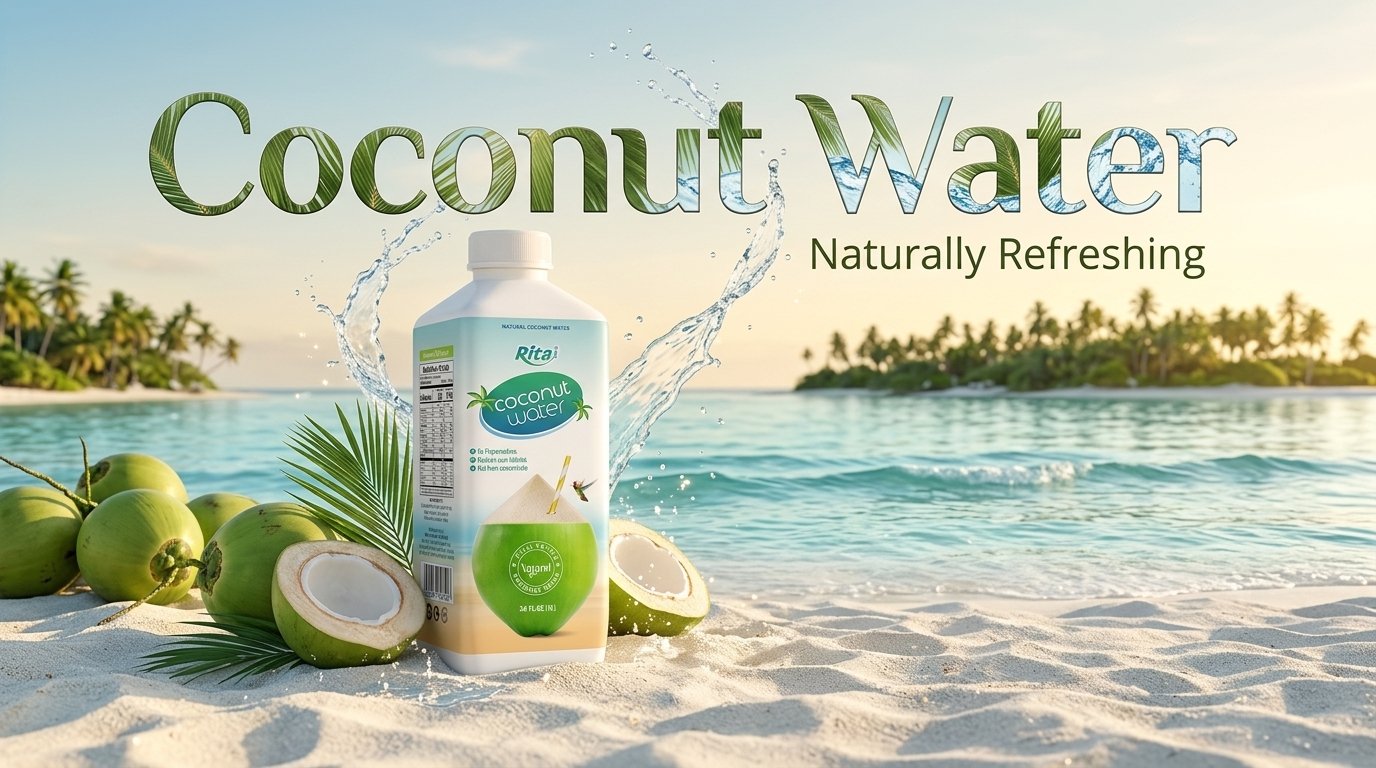
This shift creates a substantial opportunity for ODM beverage manufacturing specialists. These partners provide more than just production; they offer R&D, market insight, and the ability to create a unique product that stands out on crowded shelves. The specification of a product like a 34 Fl.Oz (1L) PP bottle of natural coconut water with no preservatives directly responds to this trend. It represents a ready-made platform for a private label, offering a substantial, family-friendly size in packaging that is both lightweight and durable for shipping.
Packaging as a Strategic Differentiator: The Case for the 1L PP Bottle
In beverage sourcing, packaging is never just a container; it's a logistical, marketing, and sustainability statement. The choice of a Polypropylene (PP) bottle for a 1L coconut water format is a calculated one with multiple business advantages.
- Logistical Efficiency: PP bottles are significantly lighter than glass, reducing shipping costs—a major factor in import/export profitability. Their shatterproof nature also minimizes transit damage and insurance claims.
- Shelf Life and Integrity: A stated shelf life of 18 months, as seen in leading OEM offerings, is crucial for inventory management and global distribution. PP provides an excellent barrier against oxygen and moisture, helping preserve the product's fresh taste without preservatives.
- Consumer Convenience: The 1L size caters to at-home consumption, shared occasions, and the foodservice sector (like juice bars and restaurants). The resealable nature of a bottle makes it practical, unlike single-serve tetra packs or cans.
For businesses building a coconut beverage product line, offering multiple sizes is often key. While the 1L bottle serves one segment, a complete portfolio might include smaller PET or aluminum can formats for on-the-go consumption, all achievable through a flexible manufacturing partner.
The OEM/ODM Advantage in Beverage Sourcing
For businesses looking to enter or expand in the coconut water space, the build-versus-buy decision is clear. Establishing a production facility is capital-intensive and requires deep technical expertise. Partnering with an established OEM (Original Equipment Manufacturer) or ODM (Original Design Manufacturer) provider mitigates these risks. A partner like RITA Food & Drink Co., Ltd., with a noted supply ability of 600 twenty-foot containers per month for such products, demonstrates the scale and reliability required by global distributors.
The benefits of this model are extensive:
- Speed to Market: With development and production handled by experts, lead times from concept to shelf can be dramatically shortened. Delivery timelines of 20-25 days post-order confirmation are competitive for international shipping.
- Cost Control: Large-scale manufacturers achieve economies of scale, offering competitive FOB prices. Flexible MOQs (Minimum Order Quantities) lower the barrier to entry for smaller brands to test the market.
- Quality and Compliance Assurance: Reputable manufacturers operate with certifications like HACCP, ISO, and BRC, ensuring the product meets the stringent food safety standards of markets like the US and EU. This is non-negotiable for importers.
Navigating Global Supply Chains and Export Logistics
Sourcing a consistent, high-volume product like coconut water requires a seamless supply chain. Key considerations extend far beyond the factory gate. The origin of raw materials is critical; sourcing from a country like Vietnam, with its abundant coconut groves, ensures fresh input and stable supply. The export infrastructure is equally important. A manufacturer located near a major port, such as Ho Chi Minh Port, streamlines the container loading and customs process, reducing delays.
Payment terms are a vital part of B2B negotiations. Common terms like L/C (Letter of Credit) and T/T (Telegraphic Transfer) offer security for both buyer and seller in large international transactions. Understanding and agreeing on these terms upfront is essential for a smooth partnership. Furthermore, the ability to receive free samples allows buyers to rigorously evaluate the product's taste, clarity, and packaging quality before committing to a full container order, de-risking the procurement process.
Future Outlook and Category Expansion
The trajectory for natural coconut water remains positive. The next phase of growth will likely involve further segmentation and innovation. We may see the rise of value-added blends—coconut water infused with other tropical fruit juices or subtle botanical extracts—catering to consumers seeking novel flavor experiences. The focus on sustainability will also intensify, influencing decisions around packaging materials and sourcing transparency.
For forward-thinking businesses, the strategy should involve partnering with a manufacturer that has strong R&D capabilities. This allows not only for the production of today's bestselling SKU but also for the collaborative development of the next generation of coconut-based beverages. Whether it's exploring different packaging formats available from a full-service producer or developing a completely unique formulation, the partnership model is the engine for future growth in this vibrant category.
Frequently Asked Questions
What are the main advantages of sourcing private label coconut water in a 1L PP bottle format?
The 1L PP bottle offers a strong balance of consumer appeal and business efficiency. It provides a convenient, resealable size for at-home and foodservice use. For the business, PP is lightweight (reducing shipping costs), shatterproof (minimizing damage), and offers a good barrier for an extended shelf life of up to 18 months, which is crucial for inventory and global distribution.
Why is a 'no preservatives' claim important in today's beverage market?
A 'no preservatives' formulation aligns directly with the dominant clean-label consumer trend. Shoppers are increasingly scrutinizing ingredient lists, preferring products with simple, recognizable components. For retailers and brands, offering a no-preservative coconut water meets this baseline demand and supports a positioning of natural quality and transparency, which is a key market differentiator.
What should importers look for in an OEM/ODM beverage manufacturing partner for coconut water?
Key criteria include: proven scale and supply capacity (e.g., container/month output), international quality and safety certifications (HACCP, BRC, etc.), flexible MOQs and OEM beverage manufacturing service depth, strong R&D for customization, reliable logistics from a major export port, and transparent communication on pricing (FOB) and lead times. Sampling capability is also essential for product validation.
Newer news items:
- The Strategic Rise of Bulk Natural Coconut Water in Global Foodservice and Retail - 23/04/2026 07:33
- The Rising Global Demand for Sparkling Fruit Beverages in Sleek Can Packaging - 23/04/2026 07:26
- The Rising Global Demand for Sparkling Pineapple Beverages in Sleek Can Packaging - 23/04/2026 07:19
- The Rising Global Demand for Coconut Water with Nata de Coco and Its Business Implications - 23/04/2026 06:51
- The Strategic Rise of Bulk Natural Coconut Water in the Global Beverage Market - 23/04/2026 06:43
Older news items:
- The Rise of Sparkling Grape Juice in Sleek Cans and the Global Beverage Market Opportunity - 23/04/2026 06:29
- The Rising Demand for Premium Sparkling Lychee Beverages in Global Markets - 23/04/2026 06:23
- The Rise of Nut-Infused Tropical Refreshments: Unveiling the Premium Coco Pista Experience - 13/03/2026 09:11
- Spring Opening Ceremony – The Ritual to "Activate" Energy with Rita - 26/02/2026 07:33
- Prodexpo Moscow 2026: The Strategic Bridge For Premium Beverage Sourcing With Rita - 13/02/2026 07:36