
The Rise of Textured Beverages and Nata de Coco Drives Global F&B Innovation
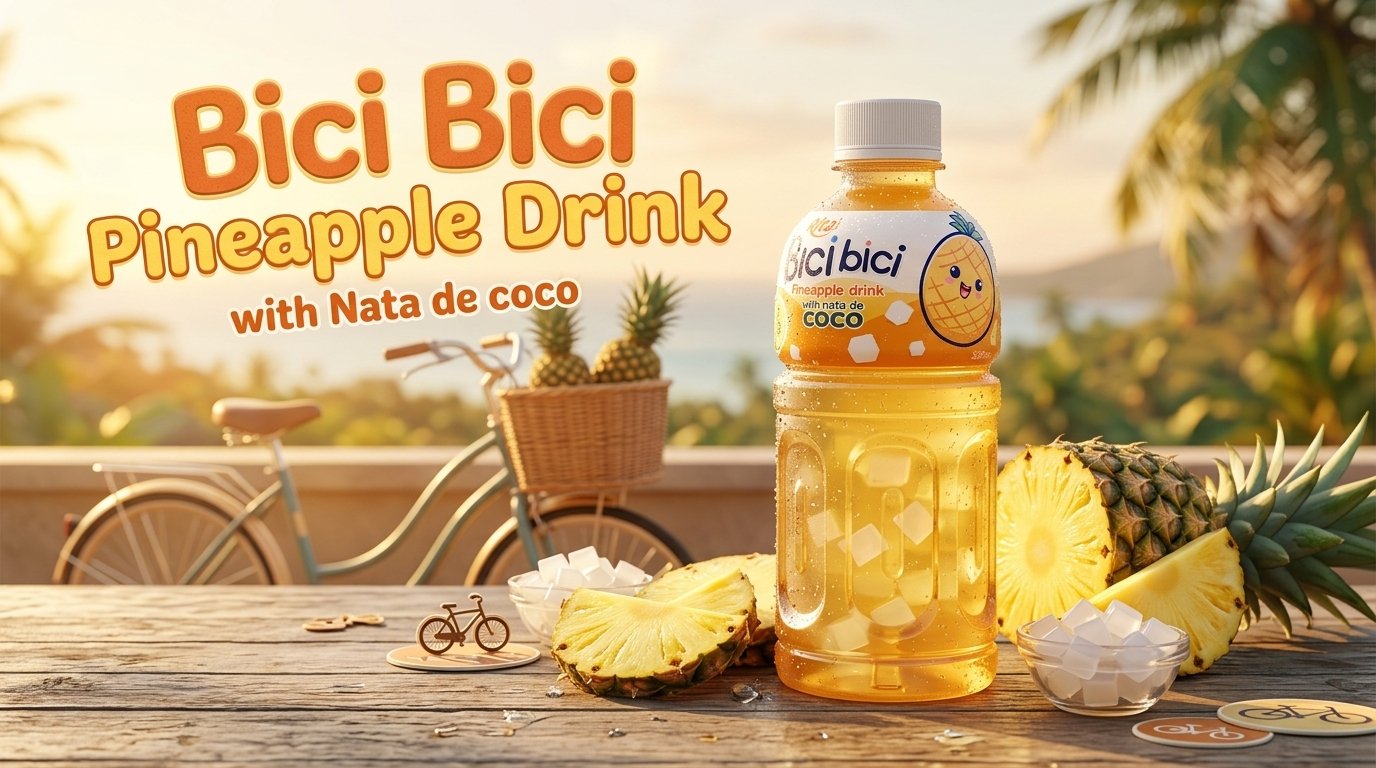
The global beverage landscape is undergoing a significant transformation, moving beyond simple thirst-quenching to deliver multi-sensory experiences. A key driver of this evolution is the integration of textures, with ingredients like nata de coco leading the charge. This trend is creating substantial opportunities for importers, distributors, and food service businesses looking to diversify their portfolios with innovative, on-trend products. The success of offerings like the pineapple drink with nata de coco exemplifies how combining familiar flavors with unique textures can capture consumer interest and open new market segments.
Key Takeaways
- The demand for textured beverages, particularly those with nata de coco, is a major growth driver in the global F&B market, appealing to consumers seeking novel sensory experiences.
- Successful market entry for such innovative drinks hinges on reliable OEM beverage manufacturing partners who can ensure consistent quality, safety certifications, and scalable production.
- Products like the Rita Bici Bici Pineapple Drink demonstrate the importance of strategic packaging, such as the 320ml PET bottle, for convenience and shelf appeal in both retail and foodservice channels.
- Understanding regional certification requirements, including HALAL, FDA, and ISO standards, is non-negotiable for exporters and importers targeting diverse international markets.
- The fusion of tropical flavors like pineapple with textural elements presents a lucrative niche for businesses in the fruit juice and functional beverage sector.
Decoding the Consumer Shift Towards Experiential Drinking
Modern consumers, especially younger demographics, are no longer passive about their beverage choices. They seek engagement and an element of fun. The act of drinking has become an experience, where mouthfeel is as critical as flavor. This shift is evident in the popularity of bubble tea, chia seed drinks, and aloe vera beverages, all of which offer a distinct texture.
Nata de coco, a chewy, translucent jelly made from fermented coconut water, perfectly fits this trend. It adds a delightful, chewy contrast to liquid drinks, creating a dynamic consumption experience. For distributors, this trend translates to higher perceived value and the ability to command premium pricing in markets saturated with conventional juices and soft drinks.
Market Entry and the Critical Role of OEM/ODM Partnerships
For importers and brands, capitalizing on the textured beverage wave requires a manufacturing partner capable of more than just mixing ingredients. It demands expertise in suspension technology to ensure nata de coco pieces remain evenly distributed, a robust quality control system for ingredient integrity, and packaging that maintains product consistency. This is where a specialized private label beverage manufacturer becomes an invaluable strategic asset.
A partner like RITA, with certifications spanning ISO, HACCP, HALAL, and FSSC 22000, provides the essential foundation for global market access. Their ability to handle a minimum order quantity (MOQ) of 500 cartons with a scalable supply ability of 600 containers per month offers flexibility for businesses at different growth stages, from startups testing the market to established players launching large-scale campaigns.
Strategic Packaging and Logistics for Global Distribution
The choice of a 320ml PET bottle is a strategic one for a product like a pineapple drink with nata de coco. It offers a convenient single-serve size suitable for on-the-go consumption, vending machines, and casual dining establishments. The PET material is lightweight, shatterproof, and recyclable, addressing both logistical cost concerns and growing environmental consciousness among end-users.
Furthermore, an 18-month shelf life, as indicated for this product, is a crucial factor for importers. It provides ample time for sea freight logistics, customs clearance, and distribution through various channels without the pressure of rapid spoilage. Efficient supply chains, with clear delivery timelines of 20-25 days post-order confirmation from a major port like Ho Chi Minh, reduce inventory risk and improve cash flow for buyers.
Capitalizing on Tropical Flavor Trends with Textural Innovation
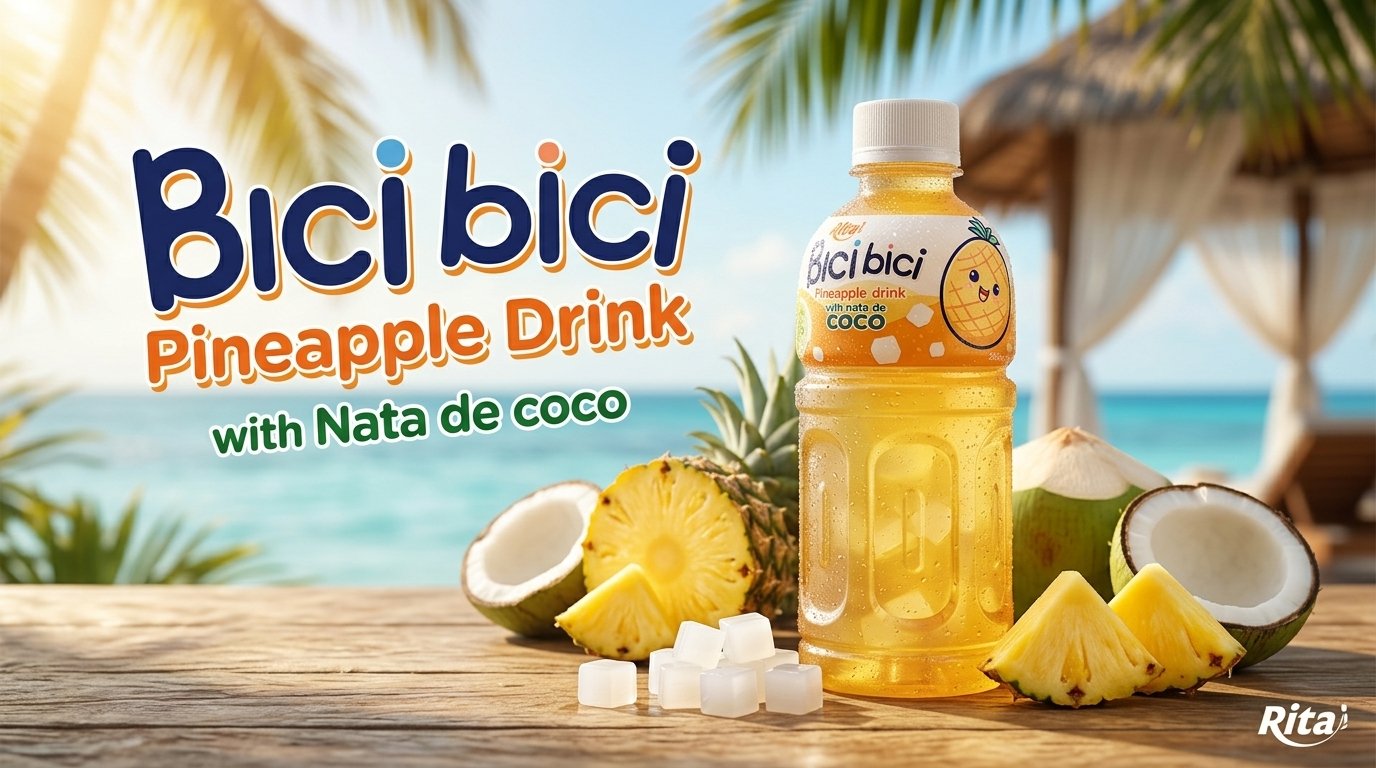
Pineapple remains a perennially popular tropical flavor, associated with refreshment and vibrancy. Its natural sweetness and tangy profile have universal appeal. By pairing this classic flavor with the innovative texture of nata de coco, manufacturers create a product that feels both familiar and novel. This fusion is particularly effective for targeting the Asian-inspired food and beverage trend, which continues to gain momentum in Western markets.
For HORECA (Hotel, Restaurant, Cafe) businesses, such a beverage offers versatility. It can be served as a standalone refreshment, used as a base for non-alcoholic cocktails, or even incorporated into desserts. The visual appeal of the suspended nata de coco pieces also enhances the presentation, adding value to the customer's dining experience.
Navigating Certification and Compliance for International Trade
The path to successful export, especially for products containing ingredients like nata de coco, is paved with certifications. For businesses in Europe and North America, FDA compliance and FSSC 22000 are often baseline requirements. For the vast Middle Eastern and Southeast Asian markets, HALAL certification is not just preferred but mandatory for significant market penetration.
A manufacturer's portfolio of certifications acts as a passport for the product. It assures distributors and retailers of the product's safety, quality, and adherence to religious or cultural dietary laws, thereby streamlining the listing process with large supermarket chains and institutional buyers.
The Future Outlook for Textured and Functional Beverages
The trajectory for beverages with added textures is firmly upward. The next wave will likely see further experimentation with different types of jellies, pearls, and fruit pulps, alongside flavors from other trending superfruits and botanicals. The intersection of texture with other macro-trends, such as reduced sugar formulations or added vitamins (described neutrally as "nutrient inclusion"), will define the next generation of products.
For entrepreneurs and established businesses alike, the lesson is clear. Innovation in the beverage sector is increasingly holistic. It's not just about what a drink tastes like, but how it feels, how it looks, and the story it tells. Partnering with a capable, certified manufacturer who understands these dimensions is the first step toward capturing a share of this dynamic and profitable market.
Frequently Asked Questions
What is nata de coco and why is it popular in beverages?
Nata de coco is a chewy, gelatin-like substance produced by the fermentation of coconut water. Its popularity stems from the unique texture it adds to drinks, creating a more engaging and enjoyable consumption experience that aligns with the growing consumer demand for multi-sensory food and beverage products.
Why are certifications like HALAL and FDA important for beverage importers?
These certifications are critical for market access. HALAL certification is essential for selling to Muslim-majority countries and communities, while FDA compliance (or equivalent) is a fundamental requirement for entering the US market and signals a high standard of food safety and quality control to buyers worldwide.
What are the advantages of a 320ml PET bottle for a beverage with inclusions like nata de coco?
The 320ml PET bottle offers an ideal single-serve size for convenience and portion control. PET is lightweight, reducing shipping costs, and durable, preventing breakage. Its clarity showcases the product's visual appeal, and the material is compatible with the suspension technology needed to keep nata de coco evenly distributed.
How does working with an OEM manufacturer benefit a brand launching a new textured drink?
An experienced OEM manufacturer provides the technical expertise for stable formulation, access to certified production facilities, scalable capacity, and established supply chains. This allows brands to launch innovative products like a pineapple nata de coco drink without the massive capital investment required to build their own production line, significantly reducing time-to-market and risk.
What should a distributor consider regarding the shelf life of such beverages?
An 18-month shelf life, as mentioned for this product, is advantageous. It provides a long window for international shipping, warehousing, and retail shelf time, minimizing the risk of unsold stock expiring. Distributors should always factor in transit time and local storage conditions when planning inventory.
Newer news items:
Older news items:
- The Rising Demand for Textured Coconut Water Beverages in Global Markets - 23/04/2026 07:40
- The Strategic Rise of Bulk Natural Coconut Water in Global Foodservice and Retail - 23/04/2026 07:33
- The Rising Global Demand for Sparkling Fruit Beverages in Sleek Can Packaging - 23/04/2026 07:26
- The Rising Global Demand for Sparkling Pineapple Beverages in Sleek Can Packaging - 23/04/2026 07:19
- The Rising Global Demand for Coconut Water with Nata de Coco and Its Business Implications - 23/04/2026 06:51