
The Rise of Caffeinated Protein Milk: A New Frontier in the Ready-to-Drink Beverage Market
The global beverage industry is witnessing a paradigm shift as consumers increasingly demand products that deliver both functional benefits and indulgence. Among the most dynamic segments is the ready-to-drink (RTD) coffee and milk category, which has evolved from simple refreshment to a platform for innovation. One product that exemplifies this trend is the Chocolate Milk Caffeinated 15G Protein 320ml Can, a format that merges the familiar comfort of chocolate milk with the energy boost of caffeine and the satiety of protein. For importers, distributors, and F&B businesses, understanding the market dynamics behind this product is crucial for capitalizing on emerging consumer behaviors.
This article explores the key drivers behind the growing demand for caffeinated protein milk, the production and supply chain advantages offered by manufacturers like RITA, and the strategic considerations for businesses looking to enter or expand in this space. We will focus on the commercial viability, market trends, and logistical factors that make this product a compelling addition to any beverage portfolio.
Key Takeaways
- The RTD functional beverage market is expanding rapidly, with caffeinated protein milk emerging as a key sub-category for on-the-go consumers.
- Products like the Chocolate Milk Caffeinated 15G Protein 320ml Can offer a unique value proposition by combining energy, protein, and a familiar chocolate flavor in a portable format.
- OEM/ODM manufacturing partners provide scalable solutions, allowing brands to enter this market with custom formulations and efficient supply chains.
- Understanding packaging formats, shelf life, and certification requirements is essential for successful market entry and global distribution.
- The 320ml aluminum can format is a strategic choice for retail, Horeca, and vending channels, offering convenience and product preservation.
Market Drivers: Why Caffeinated Protein Milk is Gaining Traction
The modern consumer is busier than ever, often juggling work, fitness, and social commitments. This lifestyle has fueled the demand for beverages that serve multiple purposes. A product like the Chocolate Milk Caffeinated 15G Protein 320ml Can directly addresses this need by providing a convenient source of caffeine for energy, protein for satiety, and the familiar taste of chocolate milk for enjoyment. This is not a niche product; it is a response to a broad, mainstream demand for functional convenience.
Data from market research firms indicates that the global RTD coffee and milk category is growing at a compound annual growth rate (CAGR) of over 7%, with the protein-fortified segment growing even faster. The convergence of the energy drink, protein shake, and dairy beverage markets has created a new hybrid category. For distributors, this means a product that can be placed in multiple aisles—energy drinks, dairy alternatives, or even sports nutrition—increasing its potential reach and shelf space.
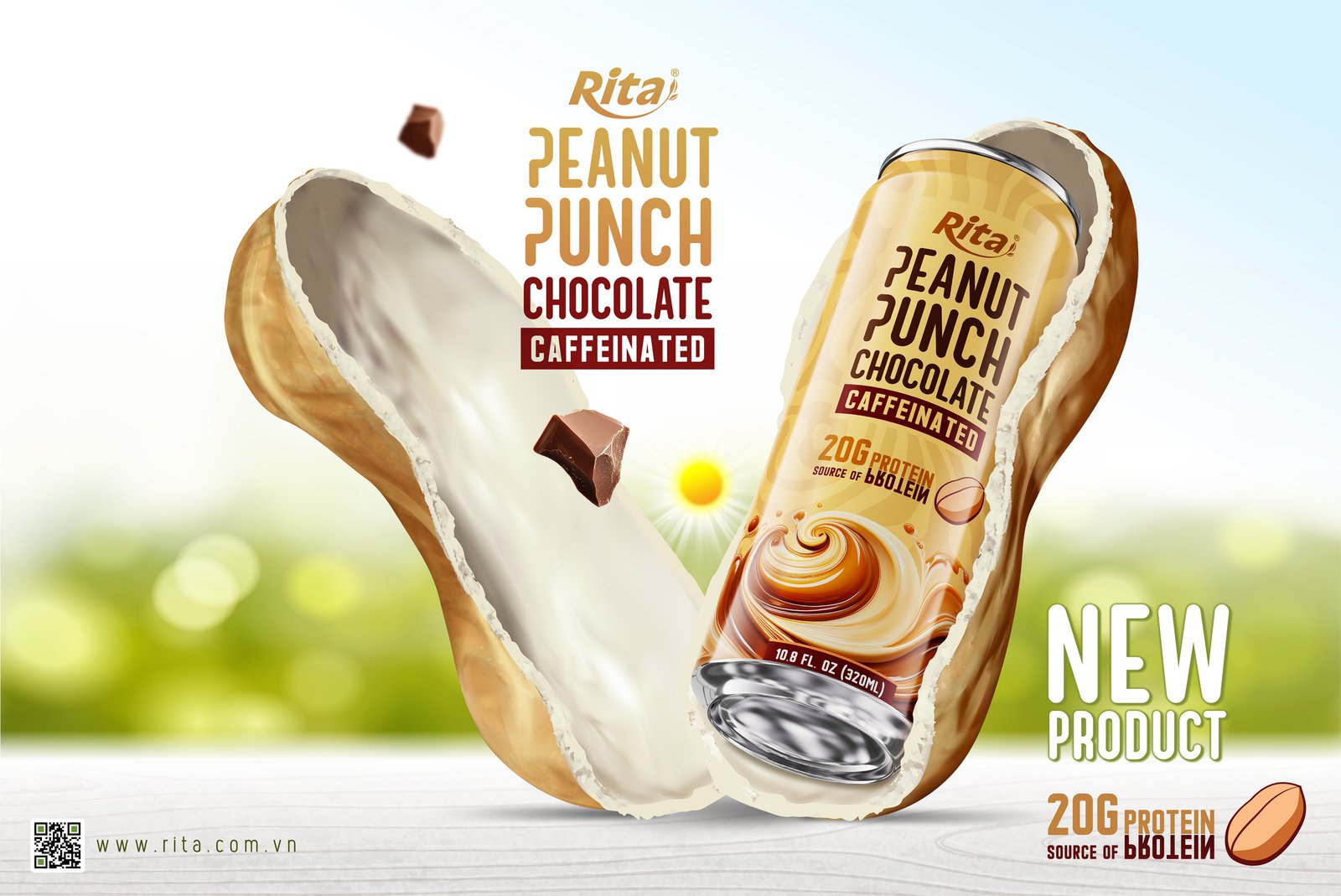
Another key driver is the shift towards better-for-you indulgence. Consumers are not willing to sacrifice taste for function. The rich chocolate flavor profile of this product ensures it appeals to a wide demographic, from young professionals to active parents. The inclusion of 15g of protein positions it as a more substantial option compared to standard energy drinks or coffee, making it suitable for post-workout recovery or as a mid-day meal replacement. This dual positioning is a powerful tool for retailers and food service operators.
Product Specifications and Commercial Viability
For any business considering importing or distributing a product, the technical specifications are critical. The Chocolate Milk Caffeinated 15G Protein 320ml Can offers several commercial advantages that make it an attractive investment. The 320ml volume is a standard size that fits well in vending machines, convenience store coolers, and Horeca (Hotel/Restaurant/Cafe) settings. It is large enough to satisfy thirst but not so large that it becomes a waste risk.
The packaging is an aluminum can, which offers superior protection against light and oxygen, ensuring a 24-month shelf life. This extended shelf life is a major benefit for logistics and inventory management, reducing the risk of spoilage and allowing for longer distribution cycles. The aluminum can is also infinitely recyclable, aligning with global sustainability trends that are increasingly important to consumers and retailers. For wholesalers, this means a product that can be stored and shipped without special temperature control, simplifying the cold chain requirements.
From a production perspective, the product is manufactured with certifications including ISO, HACCP, HALAL, FSSC, BRC, and GMP. These certifications are not just badges; they are essential for market access in regions like Europe, the Middle East, and North America. For importers, working with a supplier that holds these certifications reduces the due diligence burden and ensures compliance with local food safety regulations. The minimum order quantity (MOQ) of 500 cartons is accessible for both established distributors and new market entrants, while the supply ability of 600 twenty-foot containers per month demonstrates the manufacturer's capacity to scale with demand.
Strategic Advantages of OEM/ODM Manufacturing
One of the most significant opportunities for businesses in this space is leveraging OEM/ODM (Original Equipment Manufacturer/Original Design Manufacturer) services. A company like RITA Food & Drink Co., Ltd, with over 20 years of experience and a factory size of approximately 30,000 m², can produce a product like the Chocolate Milk Caffeinated 15G Protein 320ml Can under a private label. This allows a brand to enter the market without investing in expensive production facilities or R&D.
The OEM/ODM model offers unparalleled flexibility. A brand can customize the formulation—adjusting the sweetness, caffeine level, or protein content—to suit local tastes. For example, a distributor targeting the European market might request a slightly less sweet version, while a brand in the Middle East might prefer a stronger chocolate flavor. The packaging design can also be tailored to reflect the brand's identity, from the label artwork to the can's finish. This level of customization is a key differentiator in a crowded market.
Furthermore, the RITA facility's location in Vietnam, with export ports like Ho Chi Minh Port, provides logistical advantages. Vietnam is a major hub for agricultural products, including coffee, cocoa, and milk, which are the core ingredients for this beverage. This proximity to raw materials can lead to cost efficiencies and shorter lead times. The delivery time of 20-25 days after order confirmation is competitive, enabling brands to respond quickly to market trends. For more details on how to start a private label project, businesses can explore the OEM service and ODM service pages.
Distribution Channels and Market Opportunities
The versatility of the Chocolate Milk Caffeinated 15G Protein 320ml Can makes it suitable for a wide range of distribution channels. In the retail sector, it can be positioned in the energy drink aisle, the dairy case, or the functional beverage section. Its 320ml can size is ideal for single-serve sales in convenience stores, gas stations, and supermarkets. The product's dual appeal as a morning energy boost and an afternoon pick-me-up means it has high repeat purchase potential.
The Horeca channel presents another significant opportunity. Coffee shops and cafes can offer it as a ready-to-drink alternative to freshly brewed coffee, especially for customers on the go. Hotels can include it in minibars or breakfast buffets as a premium option. Restaurants can use it as a base for milkshakes or specialty coffee drinks, reducing labor costs and ensuring consistency. The aluminum can format is also popular in vending machines, where its durability and long shelf life are practical advantages.
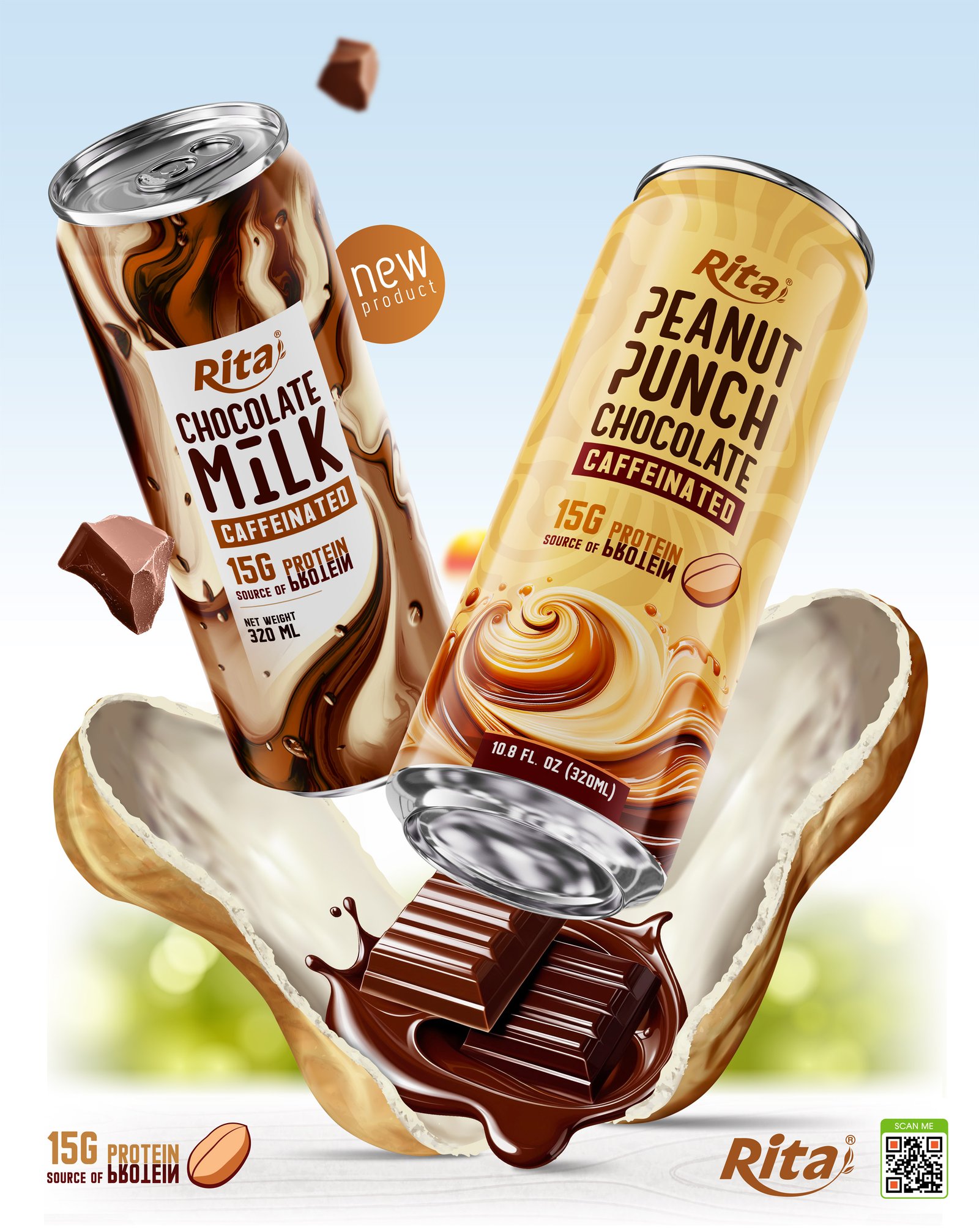
For businesses focused on export, the product's certifications and stable supply chain make it a reliable choice for entering new markets. The HALAL certification opens doors to Southeast Asia and the Middle East, while BRC and FSSC 22000 certifications are essential for the European and North American markets. The ability to offer a free sample allows potential buyers to evaluate the taste and quality before committing to a large order, reducing risk. This is a standard practice in B2B trade that builds trust and facilitates decision-making.
Packaging and Sustainability Considerations
The choice of an aluminum can for the Chocolate Milk Caffeinated 15G Protein 320ml Can is not just about function; it is also a strategic marketing decision. Aluminum cans are lightweight, stackable, and shatterproof, making them ideal for shipping and storage. They also provide a high-quality printing surface for vibrant graphics, which is crucial for shelf appeal. The 320ml can is a unique size that stands out from the standard 250ml or 330ml cans, offering a point of difference.
Sustainability is an increasingly important factor for both consumers and retailers. Aluminum is one of the most recycled materials in the world, and using it can help brands meet their environmental, social, and governance (ESG) goals. A product with a 24-month shelf life also reduces food waste, as it has a longer window for sale and consumption. For distributors, this means less pressure to rotate stock quickly, reducing the risk of markdowns or write-offs.
RITA's production facility is designed for large-scale efficiency, with over 20 modern production lines and a capacity of approximately 1,200 containers per month. This scale allows for competitive pricing, which is a critical factor for wholesalers and importers. The company's focus on quality control, from raw material sourcing to finished product, ensures consistency across batches. For a product like this, where taste and texture are paramount, consistency is key to building a loyal customer base.
Frequently Asked Questions
What is the typical lead time for a bulk order of this product?
The standard delivery time is 20 to 25 days after the order is confirmed. This lead time is competitive for the beverage industry and allows for efficient inventory planning.
Is it possible to get a sample before placing a large order?
Yes, free samples are available upon request. This allows potential buyers to evaluate the taste, texture, and packaging quality before committing to a minimum order quantity of 500 cartons.
What certifications does this product hold for international export?
The product is manufactured with certifications including ISO, HACCP, HALAL, FSSC, BRC, and GMP. These certifications are crucial for market access in regions like Europe, the Middle East, and North America.
Can the formulation be customized for private label brands?
Yes, as part of the OEM/ODM services, the formulation can be adjusted to meet specific market preferences, including sweetness level, caffeine content, and flavor profile. Packaging design can also be customized.
What is the shelf life of the Chocolate Milk Caffeinated 15G Protein 320ml Can?
The product has a shelf life of 24 months when stored properly. The aluminum can packaging provides excellent protection, ensuring the product remains fresh and safe for consumption.
Older news items:
- A Warm Dragon Boat Festival with Rita Beverage Company: Spreading Culture, Connecting with Love - 20/06/2026 02:58
- First Aid and Occupational Safety Training Course at Rita Company - 12/06/2026 08:31
- Rita Is Ready For THAIFEX 2026: Shaping The Next-Generation Beverage Map Of The Global Market - 05/06/2026 09:12
- Celebrating International Children’s Day with Rita Drinks - 05/06/2026 08:51
- Carbonated Coconut Water Market Trends Driving Global Beverage Innovation - 23/04/2026 10:07