
The Growing Appeal of Blackcurrant and Nata De Coco Drinks in Global Beverage Markets
The global beverage landscape continues to evolve, driven by shifting consumer preferences toward unique flavor combinations and textural experiences. Among the emerging trends, the fusion of fruit-based drinks with chewy inclusions like nata de coco has gained significant traction, particularly in Asia-Pacific and expanding into Western markets. This article examines the market dynamics, supply chain considerations, and distribution opportunities surrounding products such as the blackcurrant and nata de coco drink in a 320ml PET bottle, offering insights for importers, distributors, and F&B businesses looking to capitalize on this segment.
Key Takeaways
- The blackcurrant and nata de coco drink segment is experiencing growth due to consumer demand for novel textures and fruit-forward flavors.
- PET bottle packaging in 320ml format offers convenience and portability, aligning with on-the-go consumption trends.
- Vietnam has emerged as a key manufacturing hub for such beverages, with scalable production and competitive pricing.
- Understanding shelf-life management, MOQ requirements, and certification standards is critical for successful import and distribution.
Market Drivers for Fruit and Nata De Coco Beverages
The beverage industry is witnessing a notable shift from traditional carbonated soft drinks to more diverse offerings that incorporate natural fruit flavors and functional textures. Blackcurrant, known for its distinct tart and sweet profile, has become a popular base in juice drinks, particularly in Europe and parts of Asia. When combined with nata de coco—a chewy, jelly-like ingredient made from fermented coconut water—the product creates a multi-sensory experience that appeals to younger demographics.
This trend is not merely a fad; it reflects deeper consumer behavior. Shoppers increasingly seek drinks that offer more than just hydration—they want engagement through texture and flavor complexity. For distributors and retailers, this translates into a product that can command higher shelf visibility and repeat purchases. The 320ml PET bottle size is particularly strategic, as it fits easily into lunchboxes, gym bags, and convenience store coolers, making it an ideal format for impulse buying.
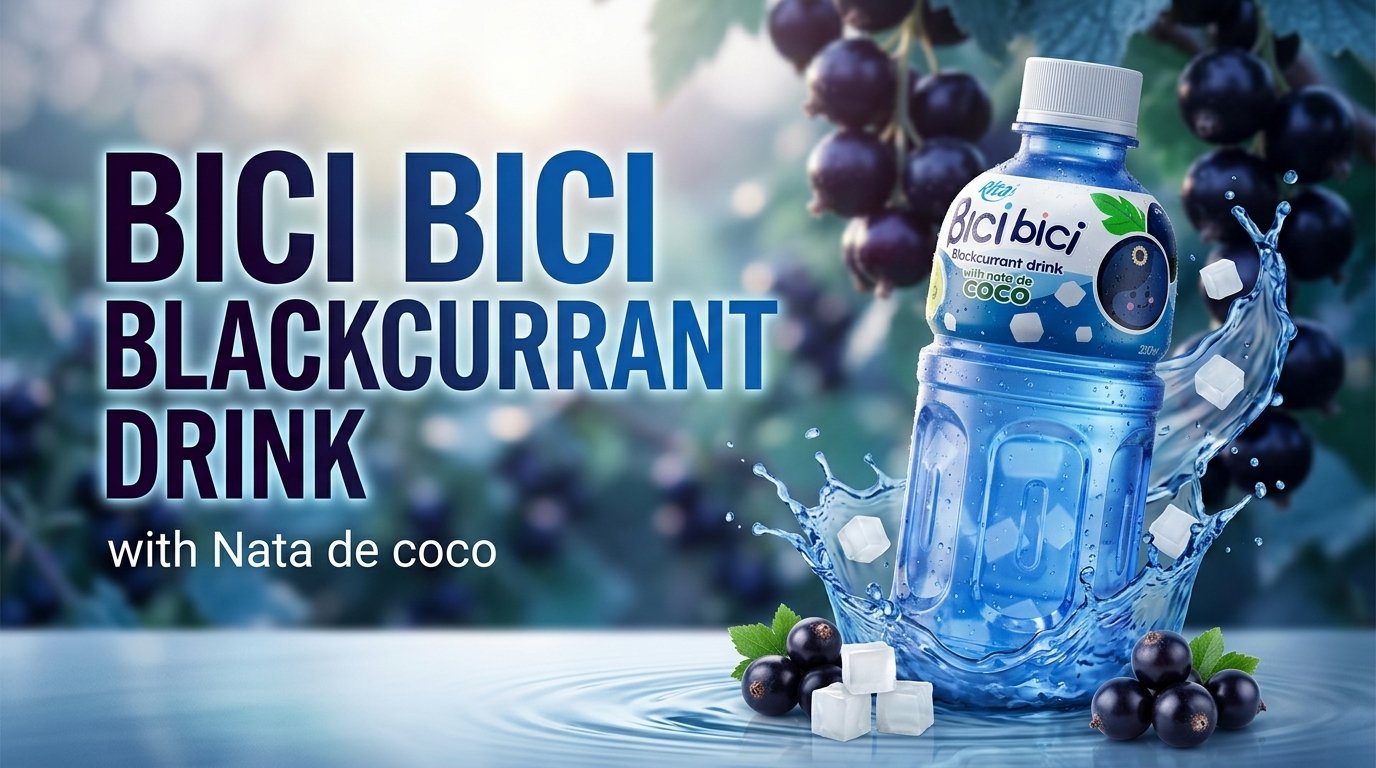
Supply Chain and Production Capabilities in Vietnam
Vietnam has solidified its position as a leading exporter of tropical beverages, thanks to its abundant raw materials and advanced manufacturing infrastructure. Companies like RITA Food & Drink Co., Ltd., with over two decades of experience, have developed robust production lines capable of handling large-scale orders. The country’s proximity to key shipping ports, such as Ho Chi Minh Port, facilitates efficient logistics to markets in the US, Europe, and the Middle East.
For businesses considering importing blackcurrant and nata de coco drinks in PET bottles, understanding the production capacity is essential. With a supply ability of up to 600 twenty-foot containers per month and a lead time of 20–25 days after order confirmation, manufacturers can meet both regular replenishment and seasonal spikes. The minimum order quantity of 500 cartons makes this accessible for mid-sized distributors while still being viable for larger wholesalers.
Certifications and Quality Assurance
Exporting beverages to international markets requires compliance with various food safety and quality standards. Products in this category typically hold certifications such as ISO, HACCP, HALAL, FSSC, BRC, and GMP. These certifications are not just bureaucratic hurdles; they serve as trust signals for importers and end consumers. For example, HALAL certification is crucial for markets in the Middle East and Southeast Asia, while BRC and FSSC are often prerequisites for European retailers.
Additionally, the 18-month shelf life of this product provides a comfortable window for sea freight, warehousing, and retail rotation. This is a critical factor for distributors who need to manage inventory without excessive risk of spoilage. The payment terms—L/C and T/T—are standard in international trade, offering flexibility for both buyers and sellers.
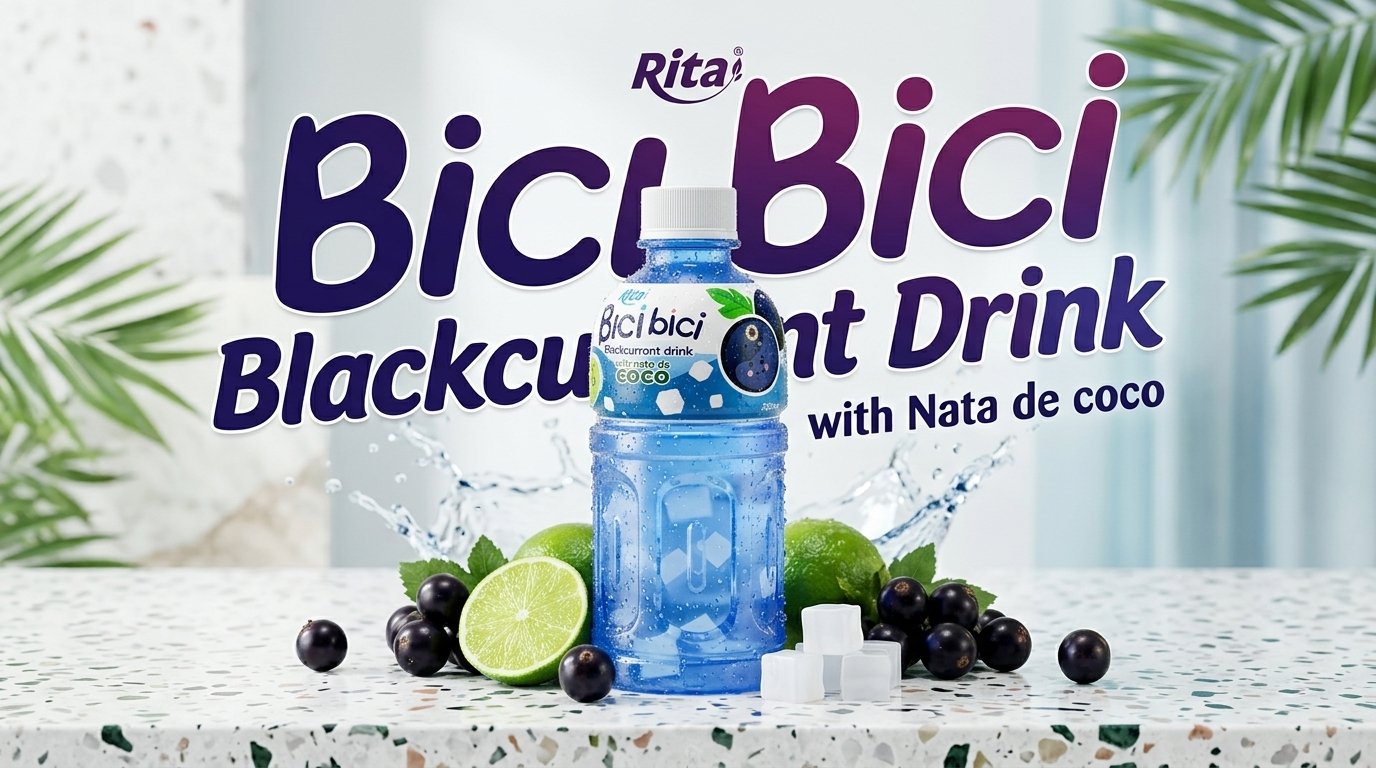
Retail and Distribution Strategies for Fruit Drinks with Inclusions
Successfully bringing a blackcurrant and nata de coco drink to market requires a tailored approach. In retail environments, these products perform well in the chilled section alongside juices and yogurt drinks, as the cold temperature enhances the texture of the nata de coco. However, the PET bottle format also allows for ambient shelf display, giving retailers the option to stock them in dry aisles.
For Horeca (Hotel, Restaurant, Cafe) channels, these drinks can be positioned as premium non-alcoholic options or as mixers in mocktails. The unique mouthfeel of nata de coco adds a distinctive element that can differentiate a cafe’s beverage menu. Distributors should consider offering sample programs to food service buyers, as the tactile experience is a key selling point.
Another effective strategy is to leverage the product’s visual appeal through social media and in-store displays. The clear PET bottle showcases the blackcurrant liquid and the suspended nata de coco cubes, creating an Instagram-worthy look that resonates with younger consumers. Retailers can use this to drive foot traffic and cross-promote with other snack items.
Export Opportunities and Market Entry Considerations
For importers looking to expand their portfolio, the blackcurrant and nata de coco drink offers a point of differentiation in a crowded market. The product’s flavor profile is familiar yet exotic, making it suitable for both mainstream and specialty channels. Key markets include the United States, where Asian-inspired beverages have seen steady growth, and Europe, where blackcurrant is a well-loved flavor.
When entering new markets, it is important to consider labeling regulations and ingredient transparency. The product’s ingredients—blackcurrant juice, nata de coco, sugar, and water—are straightforward, but local authorities may require specific nutritional declarations. Working with a manufacturer that offers OEM beverage manufacturing services can simplify this process, as they can adapt formulations and packaging to meet local standards.
Additionally, the free sample policy allows potential buyers to evaluate the product before committing to large orders. This reduces risk and helps build trust between the supplier and the importer. Given the competitive FOB pricing, the product offers attractive margins for distributors who can negotiate volume discounts.
Future Outlook for Textured Fruit Beverages
Looking ahead, the demand for beverages with inclusions like nata de coco is expected to grow as consumers continue to seek out novel sensory experiences. Manufacturers are investing in R&D to create new flavor combinations and improve the stability of inclusions during transport. The trend toward natural ingredients and clean labels also supports the positioning of blackcurrant as a recognizable, non-artificial flavor.
For businesses in the F&B sector, staying ahead of these trends requires a proactive approach to sourcing and product development. Partnering with a manufacturer that has a proven track record in ODM service for beverages can accelerate time-to-market and ensure product consistency. As the global beverage market becomes more fragmented, those who can offer unique, high-quality products will capture the attention of both retailers and consumers.
Newer news items:
Older news items:
- The Rise of Textured Beverages and Nata de Coco Drives Global F&B Innovation - 23/04/2026 08:26
- The Rising Demand for Textured Coconut Water Beverages in Global Markets - 23/04/2026 07:40
- The Strategic Rise of Bulk Natural Coconut Water in Global Foodservice and Retail - 23/04/2026 07:33
- The Rising Global Demand for Sparkling Fruit Beverages in Sleek Can Packaging - 23/04/2026 07:26
- The Rising Global Demand for Sparkling Pineapple Beverages in Sleek Can Packaging - 23/04/2026 07:19