
Coconut Water Chocolate Flavor Trends Reshaping the Global Beverage Export Market
The global beverage industry is witnessing a paradigm shift as consumers increasingly demand products that combine natural ingredients with innovative flavor profiles. This evolution is particularly evident in the coconut water segment, where traditional offerings are being reimagined to capture new market segments. One product exemplifying this trend is the Rita Coco 100% Pure Coconut Water With Chocolate Flavour 320ml Can Version 2, a development that signals opportunities for importers, distributors, and F&B businesses seeking to diversify their portfolios.
Key Takeaways
- Innovative flavor combinations like chocolate-infused coconut water are driving growth in the functional beverage segment, creating new entry points for distributors.
- The Rita Coco 100% Pure Coconut Water With Chocolate Flavour 320ml Can Version 2 demonstrates how packaging formats (320ml aluminum cans) and extended shelf life (24 months) meet modern retail and HORECA demands.
- Vietnam’s manufacturing capabilities, including large-scale production and certifications (ISO, HACCP, HALAL, FSSC, BRC), position it as a key supplier for global beverage markets.
- Understanding MOQ, payment terms (L/C, T/T), and delivery timelines (20-25 days) is essential for successful B2B partnerships in the coconut water chocolate flavor segment.
- Exporters offering flexible OEM/ODM services are better equipped to cater to regional taste preferences and branding requirements.
Market Dynamics Driving the Coconut Water Chocolate Flavor Category
The global coconut water market, valued at over $7 billion in 2023, is projected to grow at a compound annual growth rate (CAGR) of 15-20% through 2030. This expansion is fueled by rising consumer interest in natural hydration options. However, a key challenge has been product differentiation in a crowded space. The introduction of chocolate flavor variants represents a strategic response to this challenge, appealing to both health-conscious consumers and those seeking indulgence without artificial additives.
From a B2B perspective, this trend opens new distribution channels. For instance, chocolate-flavored coconut water can be positioned in convenience stores, gyms, cafes, and hotels, targeting demographics that typically avoid traditional coconut water due to its taste profile. The 320ml aluminum can format is particularly suitable for on-the-go consumption, a segment that has seen a 25% increase in sales post-pandemic.
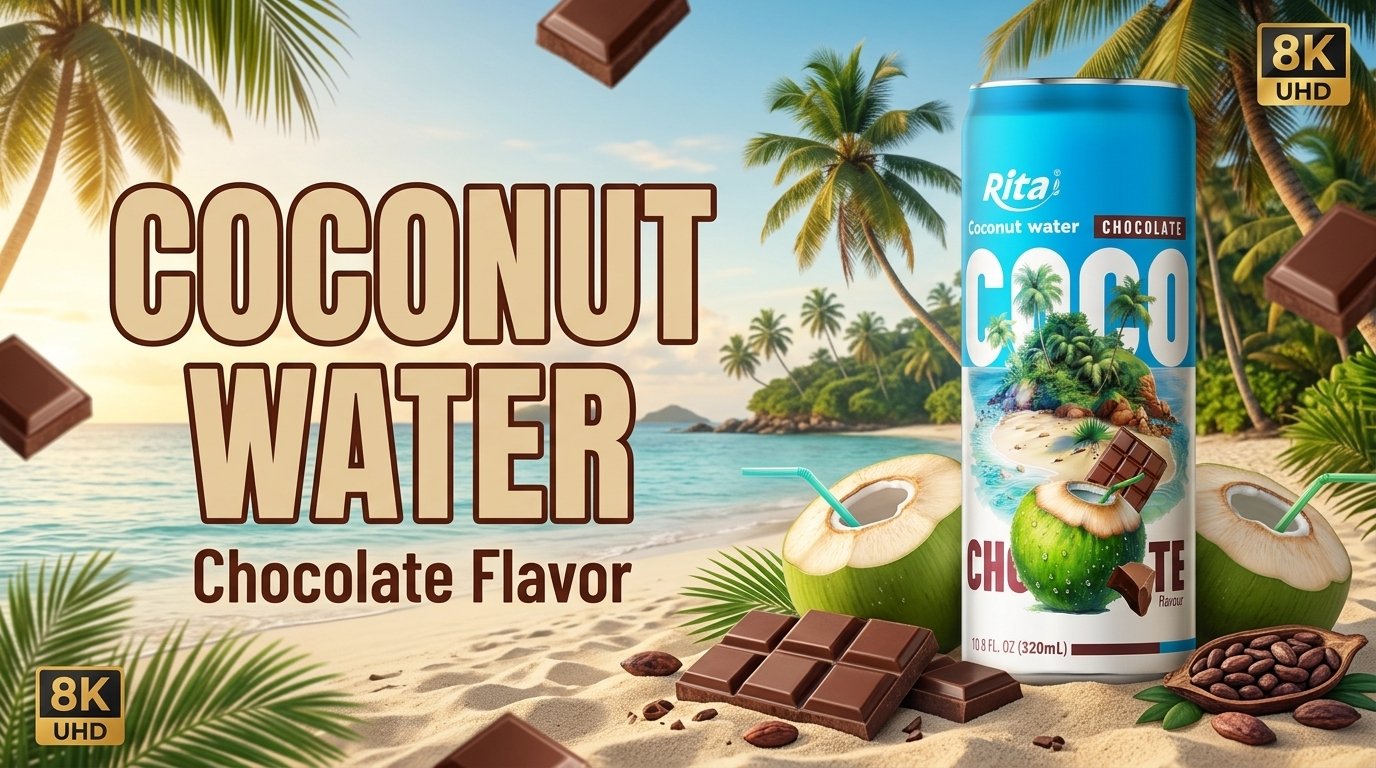
Product Profile: Rita Coco 100% Pure Coconut Water With Chocolate Flavour
The Rita Coco 100% Pure Coconut Water With Chocolate Flavour 320ml Can Version 2 is manufactured by RITA, a leading Vietnamese beverage exporter with a production capacity of approximately 1200 containers per month. The product is available in a 320ml aluminum can, with a shelf life of 24 months—a critical factor for international logistics. It holds certifications including ISO, HACCP, HALAL, FSSC, and BRC, ensuring compliance with global food safety standards.
Key specifications for B2B buyers include a minimum order quantity (MOQ) of 500 cartons, FOB pricing from Ho Chi Minh Port, and delivery within 20-25 days after order confirmation. Payment terms are flexible, accepting L/C and T/T. The supply ability is 600 twenty-foot containers per month, reflecting RITA’s manufacturing scale.
Why the 320ml Aluminum Can Format Matters for Exporters
Aluminum cans are increasingly preferred for beverage packaging due to their lightweight, recyclability, and ability to preserve product quality. The 320ml size is a strategic choice: it offers a single-serve portion that fits standard vending machines, retail shelves, and HORECA setups. For distributors, this format reduces shipping costs compared to glass bottles and minimizes breakage risks. The 24-month shelf life further enhances inventory management, allowing for longer storage without quality degradation.
Consumer Behavior and Flavor Innovation in the Beverage Sector
Recent consumer surveys indicate that 68% of global beverage buyers are willing to try new flavor combinations, with chocolate being a top preference for fusion products. This trend is particularly strong among Millennials and Gen Z, who prioritize taste experience alongside ingredient transparency. The chocolate-coconut water combination leverages the familiarity of chocolate with the perceived purity of coconut water, creating a product that appeals to both segments.
For importers and wholesalers, this means that products like the Rita Coco chocolate variant can be marketed as a premium offering in the ready-to-drink (RTD) category. Retailers can position it alongside other functional beverages, while cafes and restaurants can use it as a base for mocktails or as a standalone refreshment. The key is to emphasize the product’s natural origin and manufacturing certifications, which build trust with end consumers.
Retail and Distribution Strategies for Chocolate-Flavored Coconut Water
Successful distribution of this product requires a multi-channel approach. In retail, it can be placed in the chilled beverage section near other coconut water brands, with point-of-sale materials highlighting the chocolate flavor twist. For e-commerce platforms, emphasizing the 24-month shelf life and bulk packaging options can attract online buyers. In the HORECA sector, offering free samples to hotels and restaurants can drive trial and repeat orders. RITA’s policy of providing free samples supports this strategy, reducing risk for first-time buyers.
Export Opportunities and Vietnam’s Role in the Beverage Supply Chain
Vietnam has emerged as a major hub for beverage manufacturing, thanks to its competitive labor costs, strategic location, and adherence to international quality standards. RITA, with its 30,000 m² factory and over 500 employees, exemplifies this capability. The company offers OEM/ODM services, allowing international brands to customize formulations, packaging, and branding. This flexibility is crucial for entering diverse markets where taste preferences vary.
For example, distributors in the Middle East may require HALAL certification, which RITA holds, while European buyers might prioritize BRC or FSSC 22000 certifications. The company’s ability to produce both private label and branded products makes it a versatile partner. The Rita Coco 100% Pure Coconut Water With Chocolate Flavour 320ml Can Version 2 is a case study in how flavor innovation can be adapted for global markets.
Quality Certifications as a Competitive Advantage
For B2B buyers, certifications are non-negotiable. RITA’s portfolio includes ISO, HACCP, HALAL, FSSC, BRC, and organic certifications (USDA Organic, EU Organic) depending on the product. These accreditations facilitate entry into regulated markets like the EU, North America, and the Middle East. The company’s commitment to strict quality control—no harmful chemicals, rigorous testing—ensures consistency across large orders, which is critical for maintaining brand reputation.
Practical Considerations for Importers and Distributors
When evaluating the Rita Coco chocolate-flavored coconut water, importers should consider the following logistical aspects:
- MOQ: 500 cartons, suitable for both trial shipments and full-scale distribution.
- Payment Terms: L/C and T/T, offering flexibility for different financial arrangements.
- Delivery: 20-25 days after order confirmation, with FOB pricing from Ho Chi Minh Port.
- Supply Capacity: 600 twenty-foot containers per month, ensuring scalability.
- Samples: Free samples available, allowing buyers to test the product before committing.
These terms are designed to reduce barriers for new buyers while accommodating large-volume orders. The 24-month shelf life also provides a buffer against supply chain delays, which is particularly valuable for international shipments.
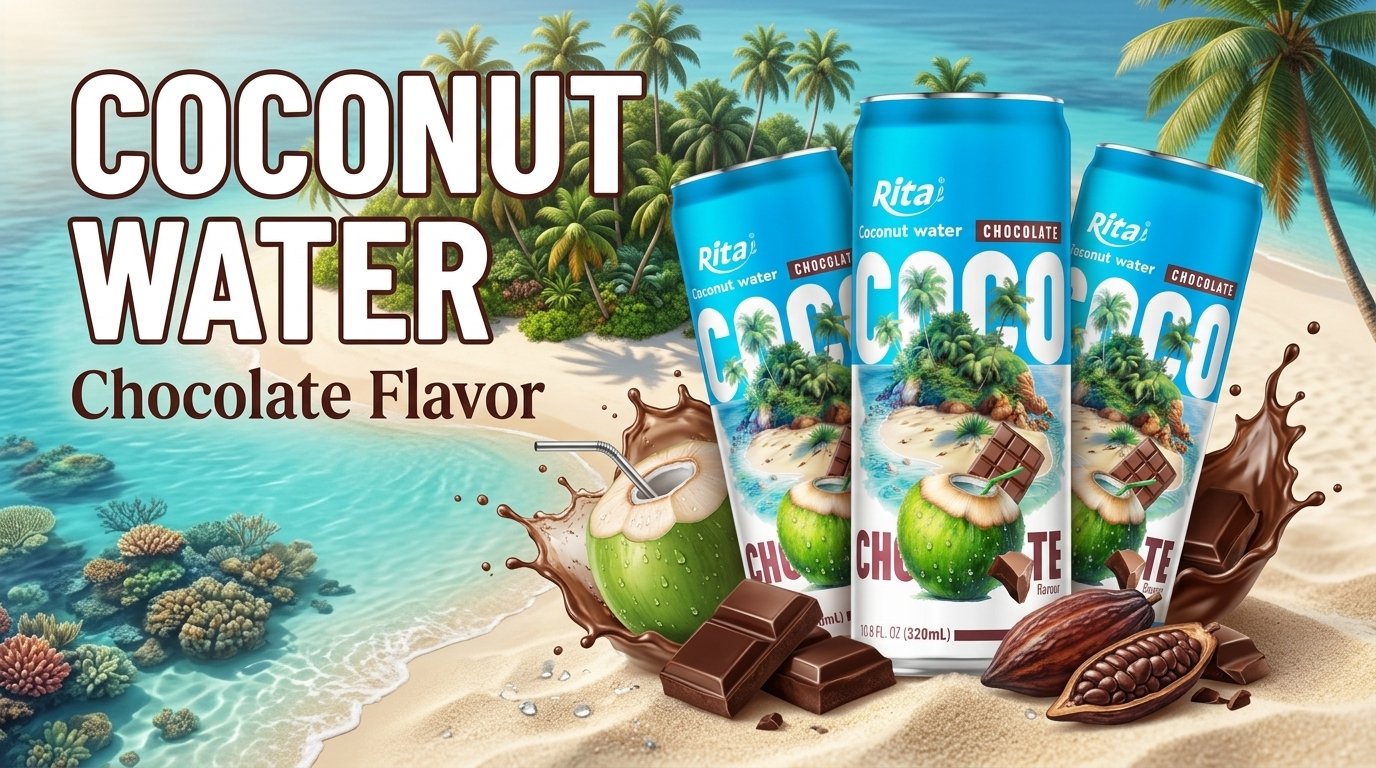
Leveraging OEM/ODM Services for Market Differentiation
One of RITA’s key strengths is its full-service OEM/ODM offering. International brands can work with RITA’s R&D team to adjust sweetness, viscosity, or flavor intensity to match local palates. For instance, a distributor in Japan might prefer a less sweet version, while one in the US might opt for a bolder chocolate profile. Packaging can also be customized—from can design to labeling—allowing brands to maintain visual consistency across their product lines.
This service is particularly valuable for startups and mid-sized beverage companies that lack manufacturing infrastructure. By partnering with RITA, they can bring innovative products to market quickly without significant capital investment. The company’s experience in exporting to over 40 countries ensures that it understands regional regulatory requirements and consumer trends.
Future Outlook: The Role of Flavor Innovation in Beverage Exports
As the global beverage market becomes more competitive, differentiation through flavor innovation will be a key success factor. Chocolate-flavored coconut water is just one example of how traditional products can be reinvented. We can expect to see more hybrid beverages combining tropical fruits with confectionery flavors, as well as functional ingredients like electrolytes or vitamins. Manufacturers that invest in R&D and maintain flexible production capabilities will be best positioned to capture these opportunities.
For importers and distributors, the message is clear: products like the Rita Coco chocolate variant offer a low-risk entry point into a growing segment. By leveraging Vietnam’s manufacturing advantages and RITA’s certifications, buyers can build a competitive edge in their local markets. The key is to act early, as first-mover advantages in flavor trends can establish long-term brand loyalty.
Frequently Asked Questions
Older news items:
- Coconut Water Market Trends: Why Chocolate Flavored Variants Are Gaining Global Traction - 14/07/2026 05:25
- Exploring Rita’s Dragon Fruit Raw Material Area in Binh Thuan: From Farm to Premium Juice Glass - 13/07/2026 03:35
- Rita Food & Drink Organizes Comprehensive Firefighting Training Course: Enhancing Awareness and Ensuring Labor Safety - 11/07/2026 04:04
- Coconut Water with Chocolate Flavor: A New Frontier in Beverage Export Opportunities - 10/07/2026 01:33
- Coconut Water with Chocolate: A New Frontier for Beverage Importers and Distributors - 07/07/2026 01:27